Apostille vs. Notarization: What’s the Difference?
A notary verifies who signed a document. An apostille gets it recognized abroad. Here's when you need each one.
If a foreign school, employer, bank, or government office asked you for an “apostilled” document, you may wonder whether a notary stamp is enough. It usually isn’t. Notarization and an apostille are two different steps, and many documents need both.
Here’s what each one does, which comes first, and how to know what your document needs.
The short answer
- Notarization confirms who signed a document. A notary public checks the signer’s ID and watches them sign.
- An apostille confirms that the official signature or seal on the document is genuine, so another country will accept it. In Texas, apostilles are issued by the Texas Secretary of State.
Think of notarization as a domestic step and the apostille as the international one.
Apostille vs. notarization at a glance
What is notarization?
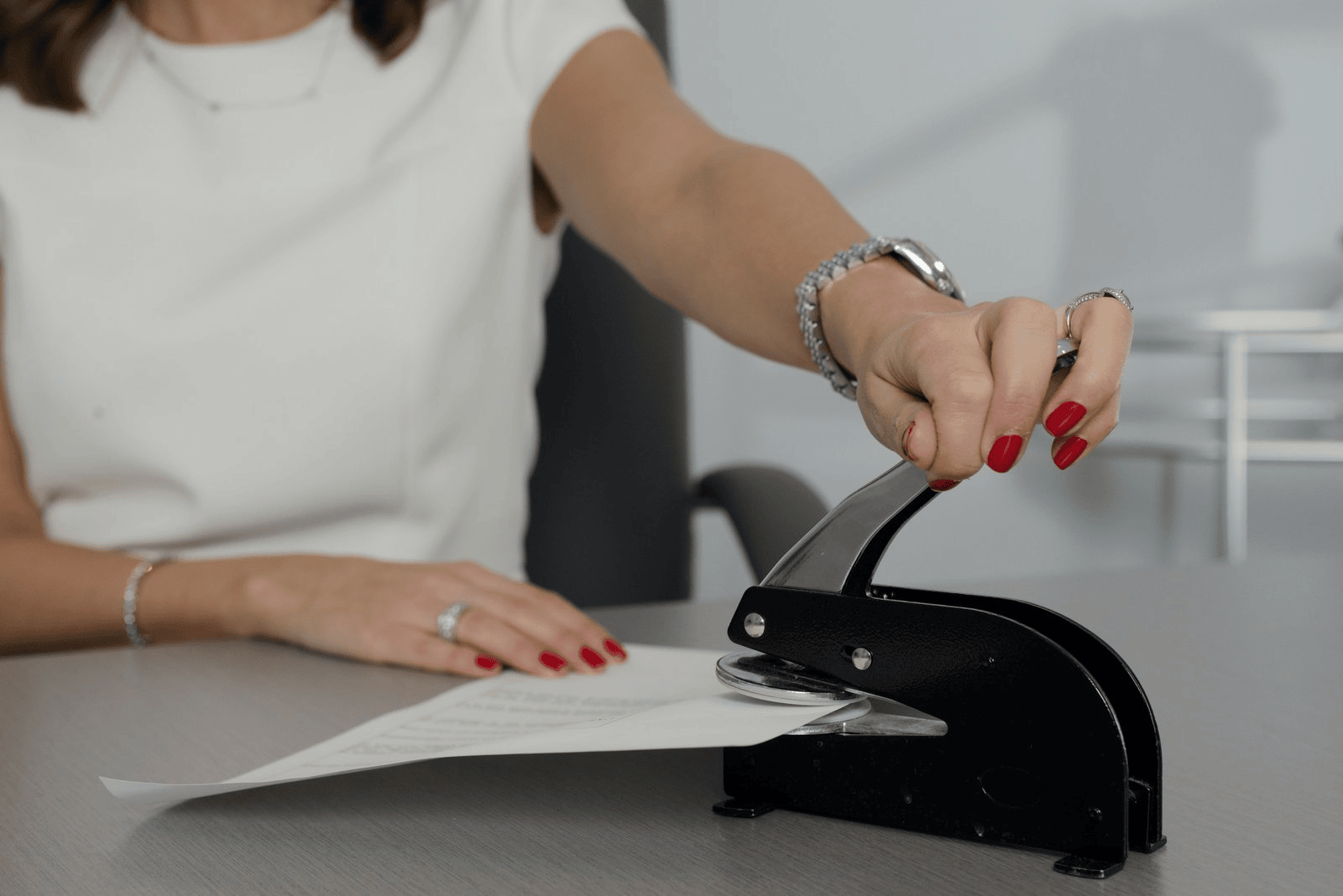
A notary public is a state-commissioned official who acts as an impartial witness. During a notarization, the notary:
- Checks the signer’s government-issued ID
- Watches the person sign (or confirms the signature is theirs)
- Completes a notarial certificate and applies their signature and seal
A notary does not confirm that the content of the document is true or legally valid. They only confirm who signed it.
For use inside the United States, notarization is often the last step. For use abroad, it’s usually just the first.
What is an apostille?
An apostille is a standardized certificate attached to a public document. It confirms that the signature and seal of the official on that document, such as a notary, county clerk, or state registrar, are genuine.
Apostilles exist because of the Hague Apostille Convention. Member countries agree to accept one apostille certificate instead of a longer chain of embassy stamps. China joined in November 2023 and Canada in January 2024, so documents for both countries can now use an apostille.
An apostille must come from the state where the document was issued or notarized. A Texas birth certificate or a document notarized by a Texas notary goes to the Texas Secretary of State. A document from another state goes to that state’s Secretary of State.
Which comes first?
It depends on the type of document.
Public records (birth, marriage, and death certificates, court records) don’t need a notary. You need a certified copy from the issuing office, and that certified copy goes straight to the Secretary of State for the apostille. A notary can’t notarize a birth certificate or make a certified copy of a recorded public document.
Private documents (powers of attorney, affidavits, consent letters, diploma copies, company resolutions) usually need to be notarized first. The Secretary of State can then apostille the notary’s signature.
So for most personal and business documents, the order is:
- Notarize the document with a proper notarial certificate
- Apostille it at the Secretary of State
- Send it to the foreign recipient
What if the country isn’t part of the Hague Convention?
An apostille only works in Hague Convention countries. For other countries, the process is longer:
- State certification by the Secretary of State
- Authentication by the U.S. Department of State in Washington, DC
- Legalization by the destination country’s embassy or consulate
Before you start, check whether your destination country accepts apostilles. Starting down the wrong path can cost you weeks.
Common mistakes that get documents rejected
- Wrong notarial wording. The Texas Secretary of State requires a “true and accurate notarial certificate” with the notary’s signature, seal, and date. Missing or incorrect wording is one of the most common reasons an apostille request is rejected.
- Notarizing a public record. Birth certificates and other vital records need a certified copy from the issuing agency, not a notary stamp.
- Wrong state. A document notarized in Florida can’t be apostilled in Texas.
- Online notarization without checking. Texas can apostille documents notarized online (RON), but some countries don’t accept online notarizations. Check with the recipient first.
- Skipping the destination check. Some countries also require a translation, a recent issue date, or extra embassy steps.
How much does an apostille cost, and how long does it take?
The Texas Secretary of State charges $15 per document. It offers same-day service for walk-in or appointment requests (up to 10 documents per person), a drop-box option for larger batches, and mail service, which takes longer.
If you can’t get to the office in person, Sam’s Passport handles the filing for you:
Every state sets its own apostille fee and processing time. A document notarized in Texas goes to the Texas Secretary of State. A document notarized in another state goes to that state’s office. Call us with your document type and destination country, and we’ll give you a realistic timeline before you ship.
How Sam’s Passport can help
Sam’s Passport in Houston has prepared documents for use abroad for more than 20 years. We:
- Check that your notarization meets Texas Secretary of State requirements before filing
- File for an apostille with the Secretary of State
- Handle the full chain for non-Hague countries: certificate of notary, U.S. Department of State authentication, and embassy legalization
- Accept documents from clients nationwide by FedEx or UPS overnight
Not sure what your document needs? Call (713) 784-5501 and tell us the destination country. We’ll tell you exactly which steps apply.
Frequently asked questions
Is an apostille the same as a notarization?
No. A notarization confirms who signed a document. An apostille confirms that the official signature or seal on the document is genuine, so a foreign country will accept it.
Do I need to notarize a document before getting an apostille?
For private documents like powers of attorney, affidavits, and diploma copies, yes. Public records like birth certificates don’t need a notary. They need a certified copy from the issuing office.
Who issues apostilles in Texas?
The Texas Secretary of State issues apostilles for documents issued in Texas or notarized by a Texas notary public.
How much does an apostille cost in Texas?
The Texas Secretary of State charges $15 per document. Sam’s Passport charges a $200 service fee per document, plus $75–$100 for FedEx Priority Overnight shipping to and from the Secretary of State.
Can I get an apostille for a document notarized online?
Texas can apostille documents notarized online if the notarial certificate and notary records meet state requirements. Some countries don’t accept online notarizations, so check with the recipient first.
What if my destination country isn’t in the Hague Convention?
You’ll need state certification, U.S. Department of State authentication, and legalization by the country’s embassy or consulate instead of an apostille.
More from the blog
India eVisas usually take 3–5 business days for US citizens, while regular visas through VFS take 5–10. Here's when to apply and…
A rejected passport photo is one of the most common reasons applications get delayed, and it's completely avoidable. Here's what usually goes…
A last-minute trip abroad doesn't wait for standard passport processing times. Here's exactly what to do to get your passport fast, in…